 +968 95115554

A visit to Ajrakhpur: A Journey into India’s Ancient Hand-Block Printing Heritage

The moment you enter Ajrakhpur, you understand that Ajrakh is not just a textile. It is a way of life. Every few meters, there is a workshop. Khatri families — the community who have been the traditional custodians of Ajrakh printing for centuries, work quietly and with extraordinary precision, the same way their fathers and grandfathers did before them.
The blocks come first. Hand-carved wooden blocks, each one a universe of geometric detail — stars, florals, lattice patterns that repeat with meditative consistency across metres of fabric. Watching a printer align a block, press it firmly, lift it, shift exactly the right distance and press again — there is a rhythm to it that is almost hypnotic.
Then the resist printing. Then the natural dye vats — indigo, madder root, pomegranate rind. Then the washing. Then the drying, the fabric stretched out in the sun, the colours deepening as they dry.
What is Ajrakh, Really?
For those discovering this craft for the first time: Ajrakh is a hand-block printed textile that originated in the Sindh region and was brought to Kutch by the Khatri community. The true soul of the craft lies in its very name, whether you trace it to the Arabic Azrak (meaning blue) or the beautiful Kutchi phrase 'Aaj Rakh', which gently reminds us to 'keep it today''
True Ajrakh is:
• Hand-block printed — never machine printed
• Naturally dyed — using plant and mineral-based dyes
• Double-sided — the pattern is the same on both sides of the fabric, which is one of the key markers of authenticity
• Made in multiple stages — resist printing, dyeing, washing and drying, repeated several times
This is why genuine Ajrakh takes days, sometimes weeks, to complete. It is not something that can be rushed.
What to Look For in Real Ajrakh
This question comes up constantly — and rightly so, because there is a lot of machine-printed fabric being sold as Ajrakh today.
Here is what to check:
Flip the fabric. Real Ajrakh looks the same on both sides. Machine prints are one-sided — the reverse is plain or faded.
Look at the edges. Hand-block printing will have very slight imperfections at the edges of motifs — a tiny bleed, a hairline variation. This is not a flaw. This is the human hand. Machine prints are perfectly uniform, which is actually the giveaway.
Smell the fabric. Natural dyes have an earthy, slightly mineral quality. Synthetic dyes smell chemical.
Check the colours. Ajrakh’s traditional palette is rooted in indigo blues, madder reds, natural whites and blacks derived from iron. If the colours are very bright, very plastic-looking, they are likely synthetic.
Why Ajrakhpur Matters?
Supporting Ajrakh is about keeping a community whole, honoring a zero-waste textile cycle, and wearing a piece of history that is literally washed in the rivers and dried in the desert sun.
While preserving ancient chemistry, these multi-generational Khatri families are running incredibly sophisticated global operations. They are shipping custom orders to designers in Paris, Tokyo, and New York directly from their quiet Kutch courtyards. They are innovating with new colour-ways, new silhouettes while remaining rooted in the original techniques.
Supporting Ajrakh is not charity. It is recognising genuine skill and paying for it accordingly.
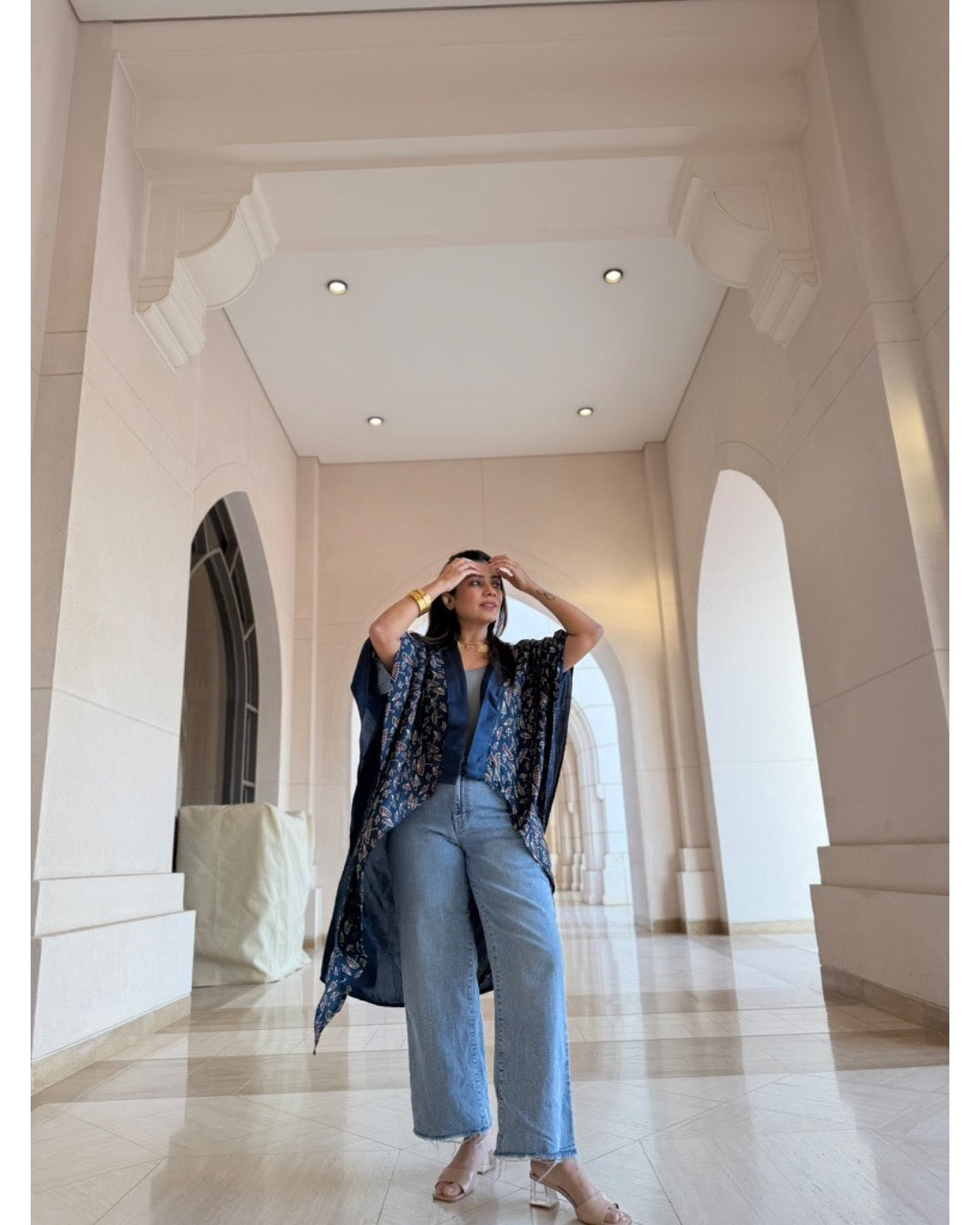
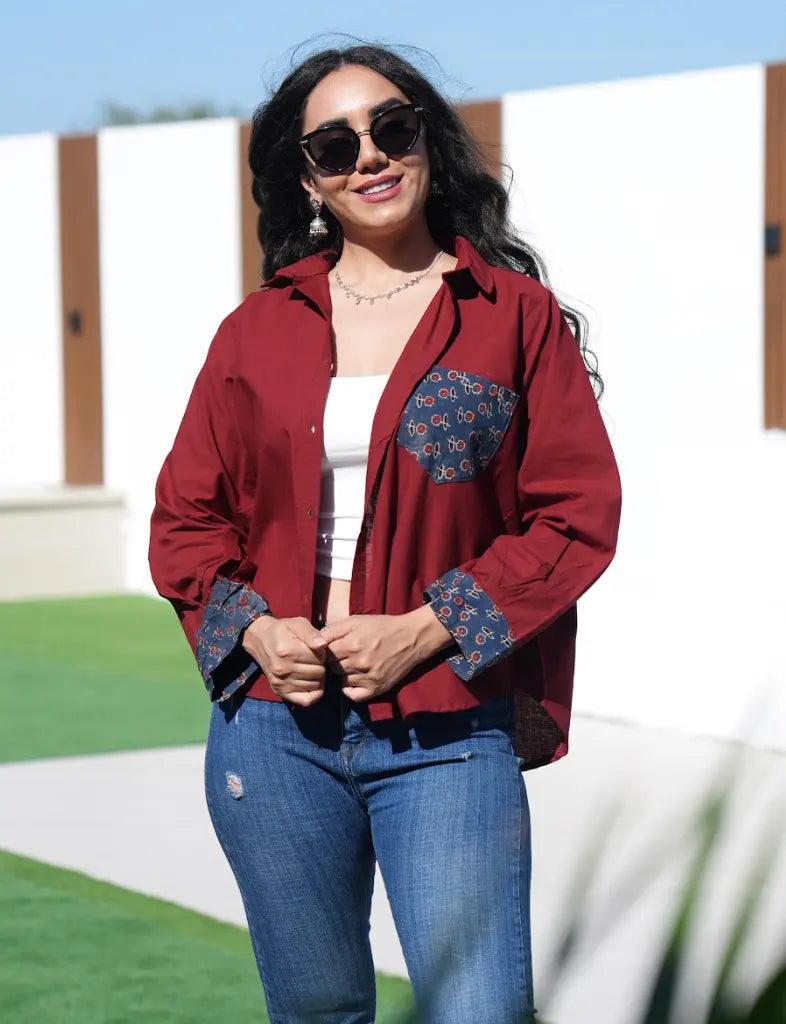
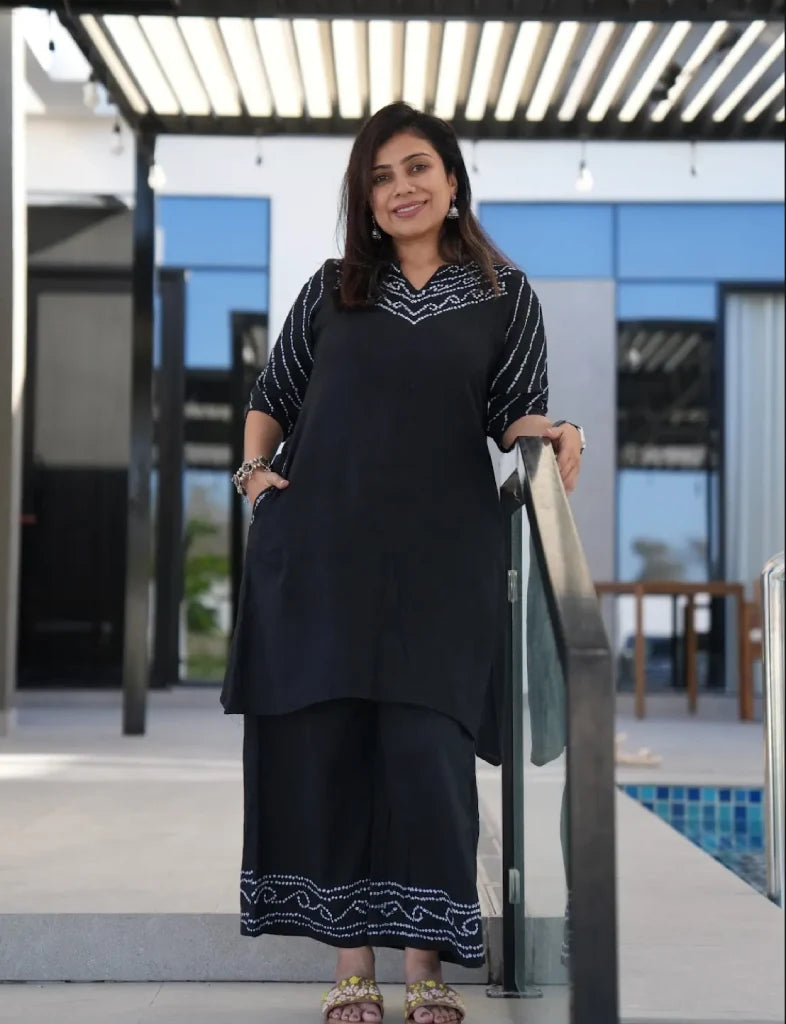
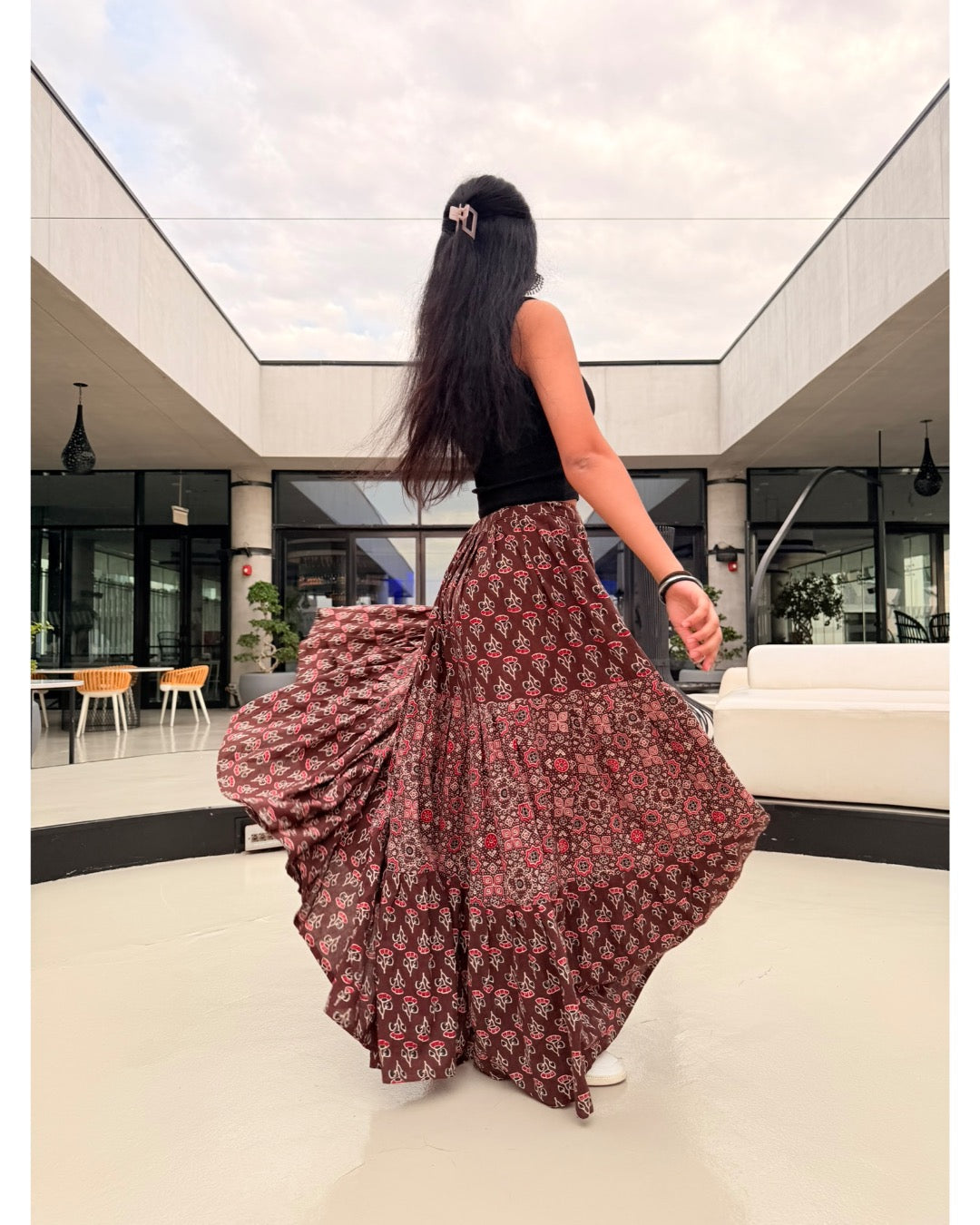
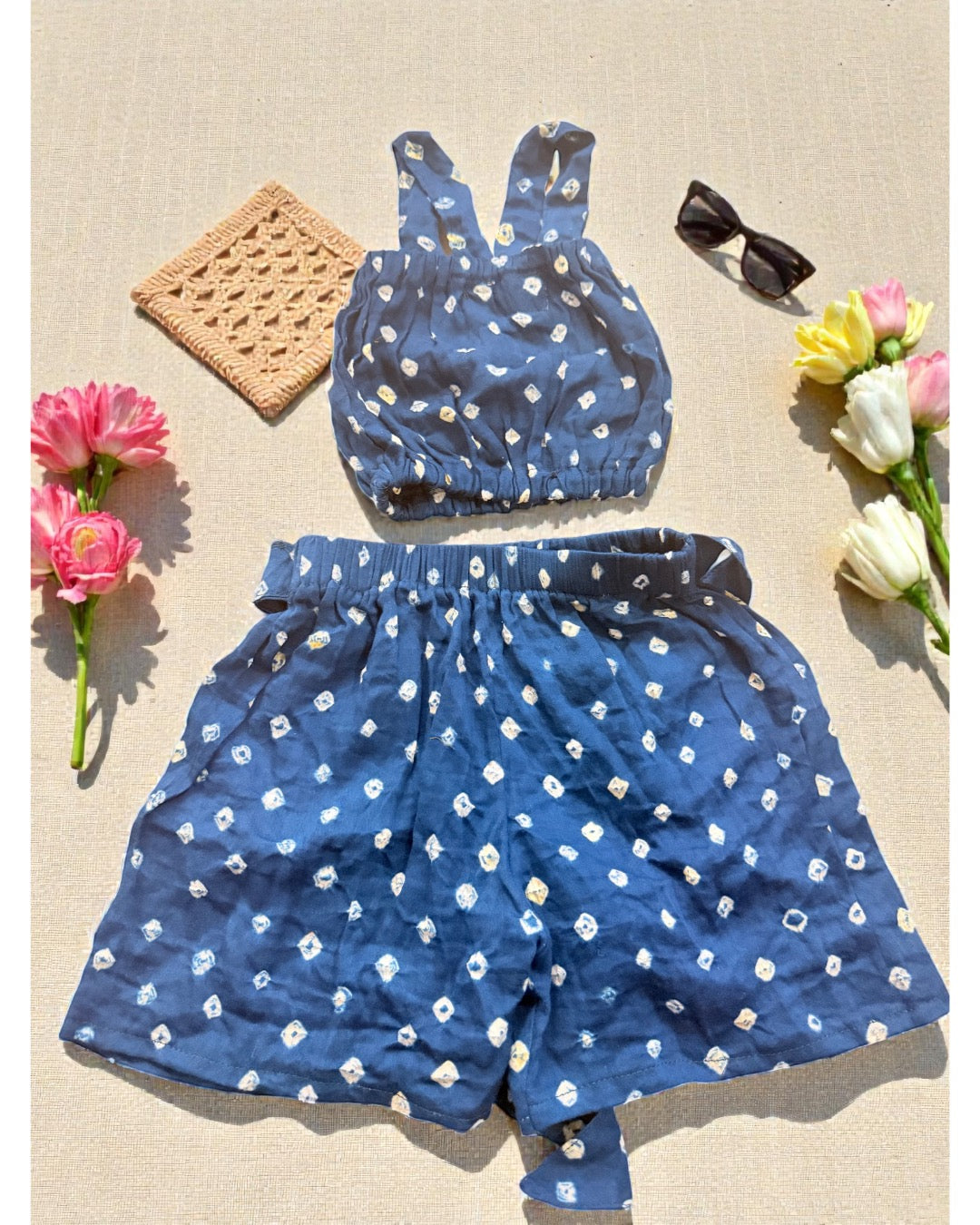
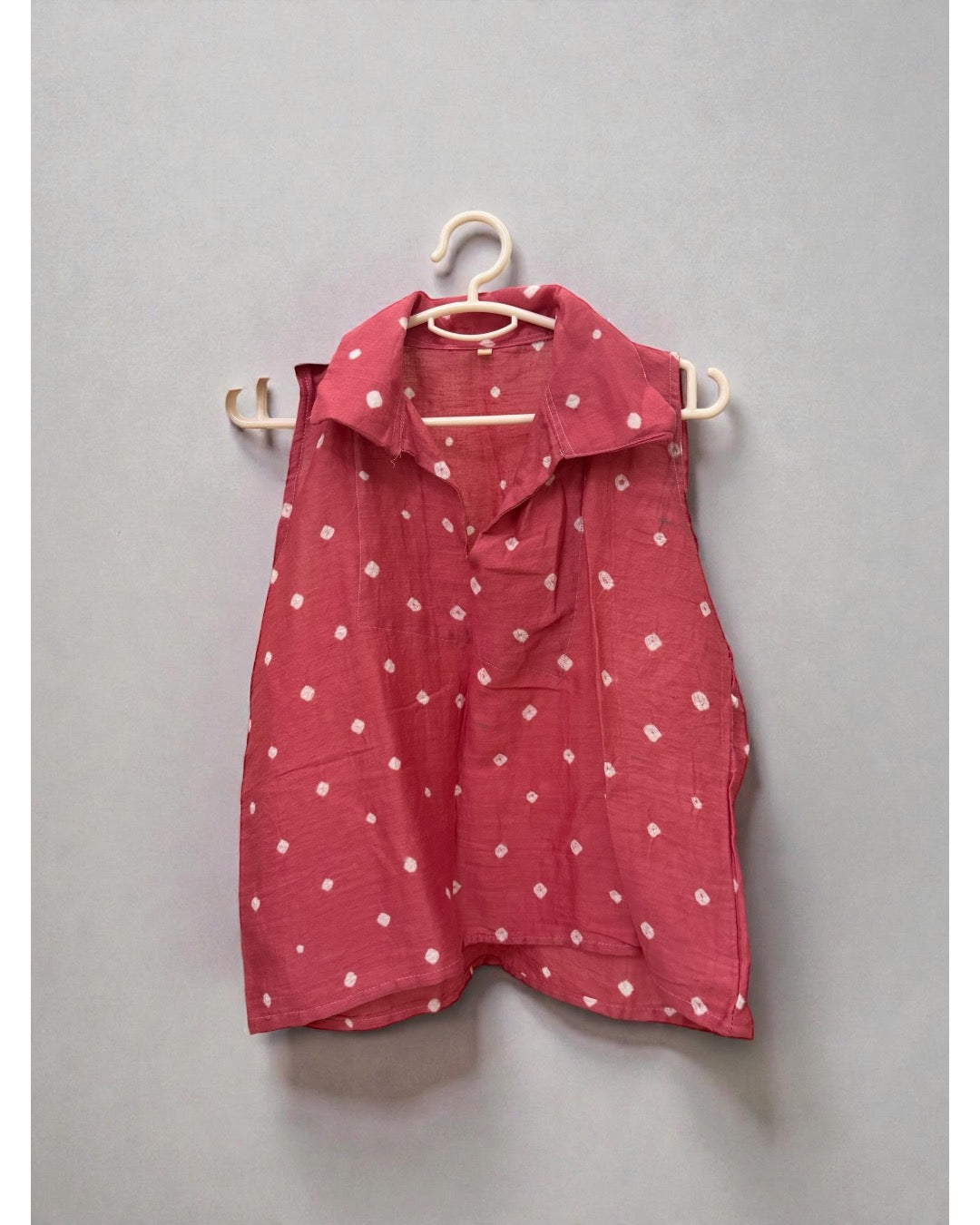
At Salt Flat Stitches, every piece of Ajrakh we make is sourced directly from Kutch. When you wear one of our shirts, kaftans, coord sets, the fabric in your hands passed through a workshop in Ajrakhpur, through hands that have been doing this work for generations.
I am returning to Ajrakhpur soon for a full workshop on the process — I cannot wait to share that with you.
Follow the journey on Instagram → @shopsaltflatstitches
